Weight Gain During Menopause: Why It Happens and What You Can Do
03 Sep 2026For many women, changes in weight are an unexpected and frustrating part of perimenopause and menopause.
You may find that your usual diet and exercise routine no longer seems to work in quite the same way. Perhaps your weight has gradually increased despite no obvious change in your lifestyle, or you have noticed more weight settling around your waist.
At Serene Health Innovations, we understand that these changes can affect much more than the number on the scales. They can influence confidence, energy, emotional wellbeing and how you feel in your own body.
Importantly, menopausal weight changes are not simply about willpower. There are several biological and lifestyle factors that can contribute.
Why Does Weight Change During Menopause?
Menopause brings significant hormonal changes, particularly a decline in oestrogen. At the same time, our bodies naturally change as we get older.
Muscle mass can gradually decrease with age, which may reduce the amount of energy the body uses. Hormonal changes can also influence body composition and where fat is stored, with many women noticing an increase around the abdomen.
Menopause symptoms themselves can make maintaining a healthy weight more challenging.
Poor sleep, night sweats, fatigue, low mood, anxiety and increased stress can all affect appetite, food choices and motivation to exercise. Joint and muscle symptoms may also make it more difficult to remain as active as you once were.
The result can be a combination of hormonal, metabolic and lifestyle changes occurring at the same time.
Why Does Menopause Weight Often Settle Around the Middle?
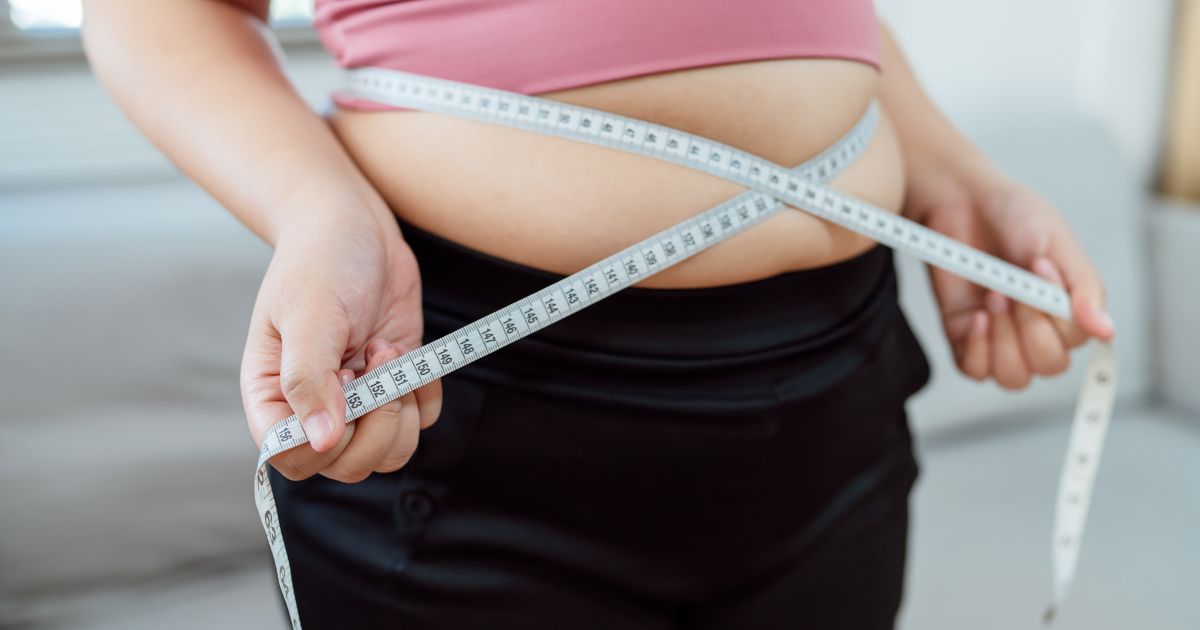
One of the most noticeable changes during menopause can be an increase in abdominal fat.
This is not simply a cosmetic concern. Increased abdominal, particularly visceral, fat is associated with a greater risk of insulin resistance, type 2 diabetes and cardiovascular disease.
This is why, at Serene Health Innovations, we encourage women to look beyond weight alone.
Your waist measurement, blood pressure, cholesterol, blood glucose, muscle strength, physical fitness, sleep and overall wellbeing can all contribute to a more meaningful picture of your health.
Does HRT Help With Menopause Weight Gain?
Hormone replacement therapy (HRT) is not a weight-loss treatment and should not be prescribed for this purpose alone.
However, appropriate treatment of menopausal symptoms can sometimes make healthy lifestyle changes easier to maintain.
For example, if hot flushes and night sweats are disrupting your sleep, improving these symptoms may help with energy, mood and your ability to exercise consistently.
HRT is not suitable for everyone, and the decision to use it should be based on an individual assessment of your symptoms, medical history, personal risk factors and preferences.
At Serene Health Innovations, menopause care is personalised rather than based on a one-size-fits-all approach.
What Can You Do About Menopause Weight Gain?
Rather than focusing on restrictive diets or quick fixes, we encourage a sustainable approach that supports your health for the years ahead.
Prioritise protein
Protein becomes increasingly important in midlife because it helps maintain muscle mass and can help you feel satisfied after meals.
Try including a source of protein with your meals, such as fish, eggs, lean meat, yoghurt, cottage cheese, tofu, beans or lentils.
Include strength and resistance exercise
Maintaining muscle is an important part of healthy ageing.
Resistance exercise can support muscle strength, bone health and metabolic health. This does not mean you suddenly need to become a weightlifter. The right exercise programme can be adapted to your current health, fitness and confidence.
Keep moving
Walking and everyday movement still matter.
Regular activity alongside structured exercise can contribute to cardiovascular health, mobility and overall wellbeing.
Choose foods rich in fibre
Vegetables, fruit, whole grains, beans, pulses, nuts and seeds provide valuable fibre and nutrients and can support digestive and cardiovascular health.
Look after your sleep
Sleep disruption is extremely common during menopause.
If hot flushes, night sweats, anxiety or other menopausal symptoms are repeatedly waking you, addressing those symptoms may be an important part of improving your overall health.
Be mindful of alcohol
Alcohol can add a significant amount of energy to the diet without making us feel particularly full. For some women, it can also make hot flushes and sleep disturbance worse.
Above all, aim for consistency rather than perfection. Sustainable changes that fit into your life are generally more valuable than restrictive plans that are impossible to maintain.
What If You Are Eating Well and Exercising but Still Gaining Weight?
This is a common concern, and it deserves to be taken seriously.
Not every change in weight should automatically be attributed to menopause.
Depending on your symptoms and individual circumstances, it may be appropriate to consider other factors including thyroid function, blood glucose, cholesterol, medications, sleep, stress and your wider physical and emotional health.
This is where an individual assessment can be particularly valuable.
Your Menopause Is Personal. Your Care Should Be Too.
Menopause is not simply about hot flushes.
Changes in weight, sleep, mood, energy, sexual wellbeing, joints, cardiovascular health and bone health can all be part of the wider picture.
At Serene Health Innovations, our approach is centred around listening to your concerns, understanding your individual health needs and helping you make informed decisions about your care.
Whether you are experiencing early perimenopausal symptoms, struggling with changes in weight and body composition, considering HRT, or simply want a clearer understanding of what is happening to your body, we are here to support you.
Ready to Take the Next Step?
If menopause weight changes or other symptoms are affecting how you feel, you do not have to navigate them without support.
Book a personalised menopause consultation with Serene Health Innovations to discuss your symptoms, health concerns and treatment options and develop an individual plan for the next stage of your health.