Weight Gain in the Menopause
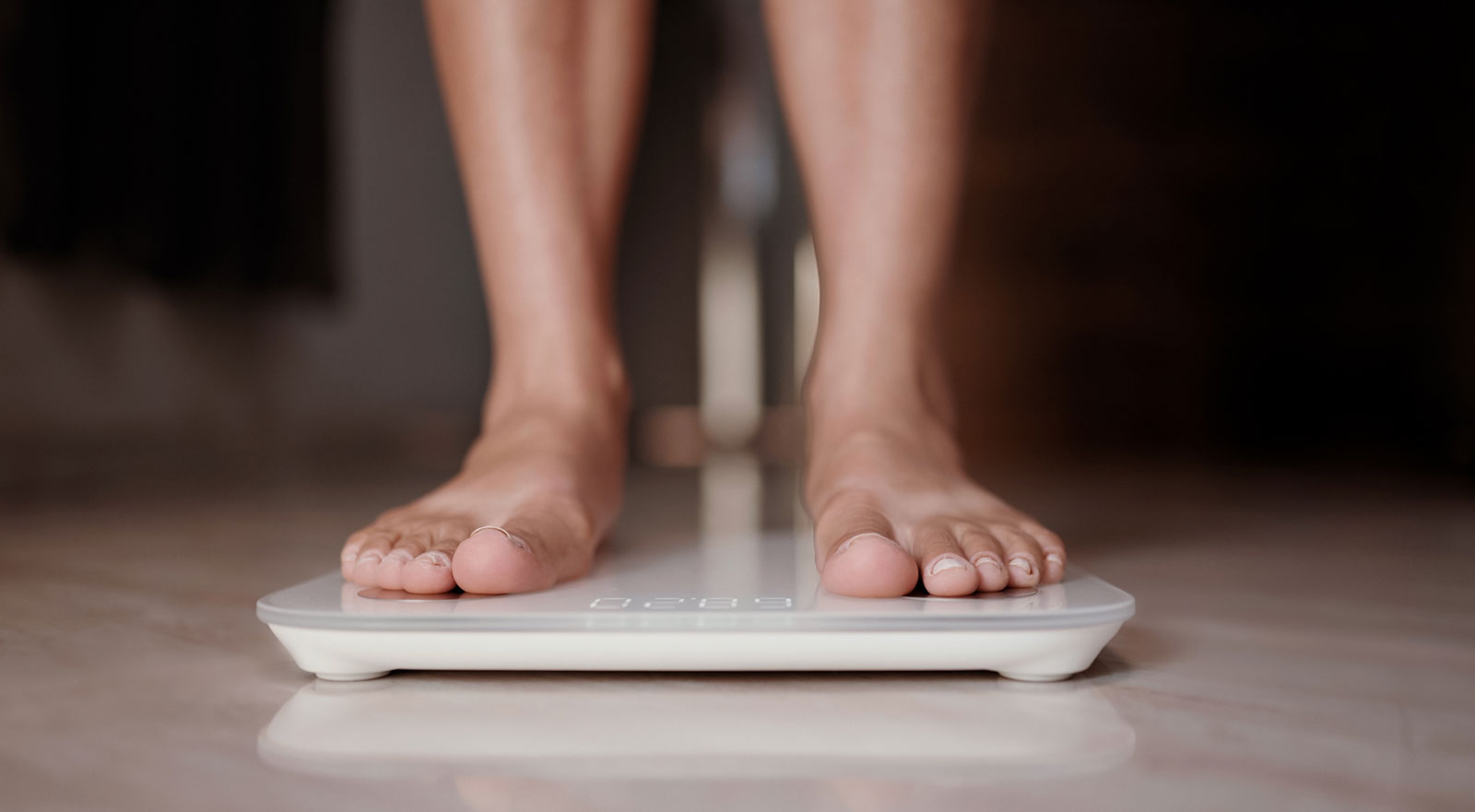
23 May 2026Weight gain during the perimenopause and menopause is common.
Around 50% of women gain up to 10kg across the perimenopause transition.
This is due to a combination of hormonal changes, aging, lifestyle factors and changes in body composition.
Weight Gain During the Menopause
Causes of Weight Gain
- Falling oestrogen levels
- Sleep disturbances / stress / low mood
- Loss of muscle mass
- Insulin resistance
Falling Oestrogen Levels
- Falling Oestrogen levels during the perimenopause and menopause influence how the body stores fat, uses energy and regulates appetite
- Before menopause , Oestrogen promotes a fat pattern around hips, thighs and buttocks.
- As Oestrogen levels decline fat storage shifts to a more central (visceral) pattern around the waist and internal organs.
So what does this mean?
- Waist size increases
- Clothes feel tighter around the waist
- Belly fat appears more quickly
Insulin Resistance
Oestrogen supports glucose metabolism.
Lower levels of oestrogen may reduce insulin’s sensitivity.
This means the body handles carbohydrates less efficiently.
This can lead to:
- Easier fat storage after excess calories
- More cravings or energy crashes
- Greater risk of Type 2 Diabetes over time
Reduce Muscle Mass and Metabolic Rate
As menopause approaches , women naturally loose some lean muscle mass with age.
Low oestrogen levels can accelerate this process.
Why does this matter?
- Muscle burns more energy than fat tissue.
- Less muscle means lower resting calorie burn.
As a result you may gain weight eating the same amount as you did before .
Appetite & Satiety Changes
Oestrogen interact with the brains pathway involved in hunger and fullness.
When levels fluctuate or drop the following may occur :
- Hunger increases
- Satiety after meals decreases
- Emotional eating can worsen, especially with poor sleep and stress
Risks Associated with Weight Gain
Low oestrogen is associated with accumulation of fat predominantly around the abdomen. The body then becomes less sensitive to the hormone insulin and this in in-turn leads to changes in blood sugars, cholesterol and blood pressure.
Such changes can increase the long term risk of:
- Heart Disease
- Type 2 Diabetes
- High blood pressure
Top Tips for Managing Weight Gain
- High protein diet
- Calorie deficient of 300 -500kcal
- Strength training 2-4 /week
- Sleep optimisation
- Stress management
- Review HRT options
We understand that weight gain can feel frustrating, upsetting, and at times overwhelming, especially when it affects your confidence and wellbeing. Please know you do not have to face it alone— we are here to support you with personalised care and guidance to help you feel your best again.